
When Is Ustudiobytes Released: Official Launch Timeline, Beta Access & Latest Updates
If you’ve been keeping an eye on the digital content and workflow automation space, chances are you’ve already heard the buzz around uStudioBytes. People are asking the same questions everywhere. When is it actually dropping? Is the Q4 2025 timeline real? Can you get early access right now? These are fair concerns, especially when you’re trying to plan your workflow around a tool that promises to change how creators and teams manage media assets.
Let’s cut through the noise and get into what’s actually known, what’s confirmed, and what you should realistically expect.
What Is Ustudiobytes?
uStudioBytes is a cloud-based platform built for digital content management, media asset organization, and team collaboration. Think of it as a centralized hub where creators, editors, and production teams can store, manage, and distribute media files without the usual chaos of scattered folders and version confusion.
It’s not just another file management tool. The platform is being developed with AI-powered features that handle everything from automated tagging to intelligent asset retrieval. You get workflow automation baked in, real-time collaboration tools, and a version control system that keeps everyone on the same page, literally.
The platform targets content-heavy industries, including video production, digital marketing, podcast studios, and media agencies. Whether you’re a solo creator or a growing team, uStudioBytes positions itself as the operating system for your content pipeline.
uStudioBytes Release Date
So when is uStudioBytes released, exactly? That’s the question everyone’s typing into search bars right now. Based on what the development team has shared publicly, the full public launch is targeting Q4 2025. That puts the release window somewhere between October 2025 and December 2025.
The team hasn’t pinned a single date to a calendar just yet, which is actually pretty common for platforms of this complexity. Rolling out a system with cross-device syncing, AI processing layers, and real-time collaboration features takes time to stabilize. Rushing it out the door would only hurt the user experience.
What we do know is that the development roadmap has been moving forward in phases, with internal testing wrapping up and beta stages beginning to take shape.
Also Read: How to Download UStudioBytes: A Complete Beginner’s Guide
Is the Q4 2025 Launch Date Confirmed or Estimated?
Honestly, it sits somewhere in between. The Q4 2025 window has been communicated through official channels and developer updates, so it carries more weight than a random rumor. However, it hasn’t been stamped with a hard date like “November 12th, 2025” or anything that specific.
When is uStudioBytes released in a fully public capacity depends heavily on how the beta stages go. If testing surfaces significant bugs or user experience issues, the team may push the final rollout slightly. That’s not a red flag. It’s just responsible software development. The safer way to think about it is this: Q4 2025 is the target, not a guaranteed street date.
Development Timeline of uStudioBytes (2019-2025)
To understand where uStudioBytes is right now, it helps to trace back where it started. The foundations of the platform were laid around 2019, during a period when cloud-based workflows were starting to dominate how creative teams operated. What began as an internal concept grew through years of prototyping, technical refinement, and evolving user research.
Between 2019 and 2022, the team focused heavily on core architecture. Building a platform that could handle large media files, support cross-device syncing, and scale without collapsing under load is not something you knock out in a few sprints. That phase was largely invisible to the public but critical to everything that came after.
By 2023, the focus shifted toward feature development. AI-powered features started being integrated into the workflow layer. The version control system got more sophisticated. The interface began taking shape in a way that real users could actually navigate without a manual.
2024 brought software stability testing into focus, along with deeper work on mobile app development to ensure the platform wouldn’t just be a desktop-only tool. The team also began gathering user feedback from closed groups to refine the experience before any wider release.
By early 2025, the platform entered what insiders describe as the final pre-launch phase, with alpha testing transitioning toward beta stages.
From Alpha Testing to Public Beta Phases
Alpha testing for uStudioBytes was a tightly controlled process. A small group of internal users and invited testers put the platform through its paces, identifying performance bottlenecks, UI inconsistencies, and feature gaps. This stage is where a lot of the rough edges get sanded down before real users ever touch the product.
The shift from alpha to beta marks a significant maturity milestone. In the beta phase, a broader group gains access, the feedback loop widens, and real-world usage patterns start revealing things that controlled testing never could. uStudioBytes appears to be in or approaching this transition as of 2025, which aligns well with a Q4 public release.
Expected Release Phases Before Full Public Launch
Big platforms rarely just appear overnight. There’s almost always a staged rollout, and uStudioBytes is no different. Understanding the phases helps you set realistic expectations and, more importantly, figure out how to position yourself to get in early.
Private Beta, Public Preview, and Final Rollout Explained
The private beta is the first real-world stage. Access is invitation-only, typically reserved for early registrants, industry partners, or users who’ve shown strong interest through official sign-up channels. This phase tests the platform under real conditions without opening the floodgates entirely.
The public preview follows. This is where a much larger group gets hands-on time. Features may still have rough corners, and some tools might be limited or tagged as experimental. But it gives the broader community a genuine look at what uStudioBytes can do.
The full public launch is the final stage. At that point, uStudioBytes public availability opens up, onboarding becomes streamlined, and the platform moves from “exciting thing coming soon” to a working product you can actually build your workflow around.
Each phase feeds into the next. Feedback from the preview shapes last-minute refinements before the official launch hits.
Key Features Expected at Launch
This is where things get genuinely exciting. uStudioBytes isn’t building a basic file storage app. The feature set in development points toward something far more ambitious.
AI Tools, Version Control, and Cross-Device Syncing
The AI-powered features are expected to be one of the platform’s biggest differentiators. Smart search, automated tagging, content recommendations, and intelligent organization all fall under this umbrella. Instead of manually sorting thousands of media files, the system does the heavy lifting for you.
The version control system deserves special attention. For teams working on the same project across multiple contributors, version chaos is a real headache. uStudioBytes approaches this the way developers approach code, giving you a clear history of every change, the ability to roll back, and a structured way to manage revisions without losing anything.
Cross-device syncing ties everything together. Your project shouldn’t live only on your desktop. Whether you’re reviewing a cut on your phone or approving assets from a tablet, the platform keeps everything in sync without manual exports or messy transfers.
Workflow automation is another expected highlight. Repetitive tasks like file conversion, approval routing, and asset distribution can be automated, freeing up your actual work time for things that need human judgment.
Real-time collaboration tools allow teams to work simultaneously, leave contextual comments, and stay coordinated without a flood of emails or scattered Slack messages.
System Requirements and Platform Compatibility
Before you get too excited about getting early access, it’s worth knowing whether your current setup will actually support the platform.
Windows, macOS, and Future Mobile Support
Based on available development information, uStudioBytes is being built with Windows compatibility and macOS compatibility as primary targets at launch. Both major operating systems should be supported from day one, which covers the majority of creative and professional users.
The system requirements haven’t been published in full detail yet, but given the platform’s cloud-based architecture, the actual local resource demands may be lighter than you’d expect. A modern browser and a stable internet connection could handle much of the workload for basic use cases.
Mobile app development is confirmed to be in progress, though mobile support is not guaranteed for the initial public launch. It’s more likely to arrive as part of the post-launch development roadmap, possibly in early 2026. If you’re a primarily mobile-first user, the desktop version will be your starting point.
How to Get Early Access to uStudioBytes Before Release
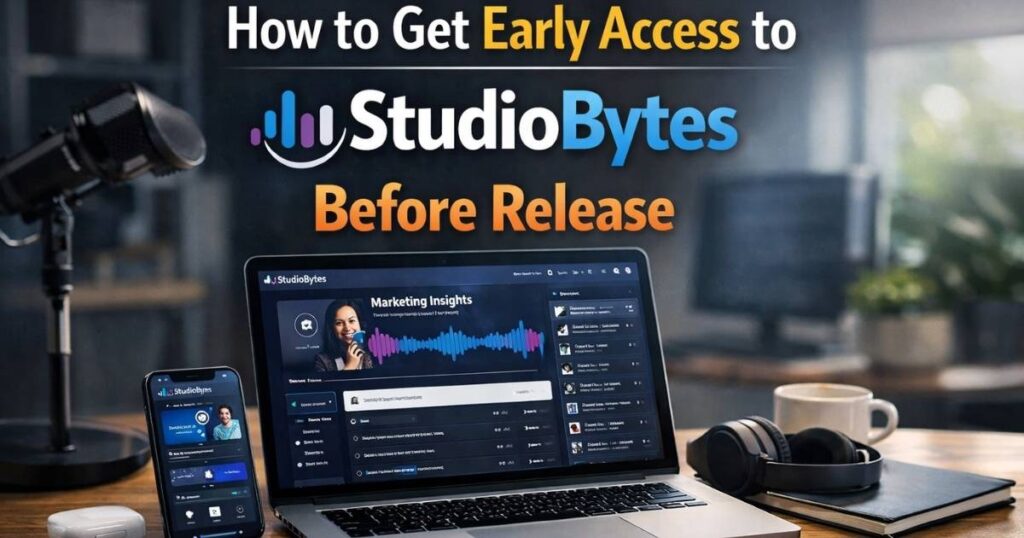
If you don’t want to wait for the full public rollout, this is the section you’ve been waiting for. Getting into the private beta or public preview requires a bit of proactivity.
Beta Sign-Up Process and Invitation Access Tips
The most reliable path is through the official uStudioBytes website. An early access or beta sign-up form is typically the front door for platforms like this. Fill it out completely, be specific about your use case, and explain why your workflow would benefit from the tool. Generic sign-ups often get buried. Specific ones stand out.
Following the official social accounts and joining any community spaces the team maintains also helps. Beta invitations sometimes go out through announcements in those channels before anywhere else.
If you have existing relationships with anyone in the development ecosystem or know teams that are already involved in testing, that’s another avenue worth exploring. Industry connections often have real value when it comes to early access programs.
Avoid third-party sites claiming to offer beta keys or early downloads. More on that shortly.
Pricing Expectations and Freemium Model Overview
Nobody wants to fall in love with a tool only to discover the price is completely out of reach. Fortunately, the signals around uStudioBytes pricing are encouraging.
Will There Be a Free Version at Launch?
A freemium pricing model appears to be part of the plan. This means there will likely be a free tier at launch, probably with limitations on storage, team seats, or advanced features. It’s a smart approach for a new platform trying to build an audience quickly.
Subscription plans are expected to unlock the full feature set, including advanced AI tools, unlimited version history, larger storage quotas, and priority support. Pricing tiers haven’t been officially published, but the freemium structure suggests the team wants to lower the barrier to entry while still building a sustainable business.
Keep an eye on the official launch announcements for specific pricing breakdowns. Early adopters sometimes get discounted rates or locked-in pricing, so timing your sign-up matters.
How uStudioBytes Compares to Similar Digital Platforms
You’re probably already using something. Maybe it’s a combination of Google Drive, Frame.io, Notion, and a handful of other tools duct-taped together. That’s the reality for a lot of creative teams.
What Makes It Different from Other Workflow Tools?
Most existing tools do one thing reasonably well. File storage. Project management. Collaboration. But they rarely integrate all of these layers with AI-powered features and a dedicated version control system built specifically for media assets.
uStudioBytes seems to be aiming at that gap. The proposition is having one platform that handles digital content management end to end, rather than stitching together five different subscriptions with questionable integrations.
The real test will come post-launch when users put it through real-world conditions. But on paper, the combination of media asset management, workflow automation, and AI tools within a single interface addresses a genuine pain point that fragmented toolstacks consistently fail to solve.
Safe Download Options and Official Sources
This is important, so pay attention here.
How to Avoid Fake or Unofficial Versions
Any platform with a rising profile attracts bad actors. Fake download pages, unofficial “early access” portals, and cloned websites that look almost-but-not-quite legitimate are common traps. They can expose your system to malware or steal your login credentials.
The only safe place to download or sign up for uStudioBytes is through the official website. If you’re not certain you’re on the right page, verify the URL carefully. Look for HTTPS, check the domain closely, and do not enter any payment information on a site you haven’t independently verified.
If you see forums, YouTube videos, or social posts offering download links outside of official channels, treat them as suspicious by default. When the official launch happens, it’ll be announced through verifiable, official sources. You won’t need a workaround.
Community Support, Resources, and Tutorials
One of the best indicators of a platform’s long-term viability is how it treats its community. A tool that ignores users post-launch tends to stagnate. One that builds genuine support infrastructure tends to grow.
Forums, Help Centers, and User Guides
uStudioBytes is expected to launch with documentation, help center resources, and some form of community forum. Early-stage platforms often use Discord servers or dedicated community boards to keep users connected and engaged.
Tutorial content will likely emerge from both official sources and early adopters once beta access widens. Following community spaces tied to the platform gives you a front-row seat to tips, workarounds, and use-case examples that official docs sometimes miss.
If you’re planning to integrate the platform into a team workflow, being active in the community from early on is genuinely valuable. You learn faster, and you influence the product direction through feedback.
Future Roadmap and Planned Updates After Launch
The Q4 2025 release is not the finish line. It’s more like the starting gun.
Upcoming Features and Long-Term Expansion Plans
Post-launch development is expected to include deeper mobile app functionality, expanded AI capabilities, additional integrations with third-party tools, and enhanced enterprise features. The development roadmap suggests the team views the initial release as a foundation, not a complete product.
Long-term, the platform appears to be eyeing a broader role in the creative technology stack. If the AI-powered features evolve as intended, uStudioBytes could become genuinely central to how media teams operate rather than just another utility they occasionally open.
Version 1 release sets the baseline. What comes after depends heavily on user feedback, market response, and how quickly the team can iterate. Platforms that listen to early users tend to improve dramatically in the first six to twelve months post-launch.
FAQ’s
When is uStudioBytes released to the public?
The targeted release window is Q4 2025, spanning October through December 2025. A firm single date has not been officially confirmed yet.
Can I sign up for the uStudioBytes beta right now?
Yes, early access sign-ups are available through the official uStudioBytes website. Completing the form with specific details about your use case improves your chances of selection.
Will uStudioBytes have a free version at launch?
A freemium model is expected, which means a free tier will likely be available alongside paid subscription plans at launch.
Is uStudioBytes available on mobile devices?
Mobile app development is in progress, but full mobile support is more likely to arrive after the initial public launch, as part of planned post-launch updates.
How do I know if a uStudioBytes download is legitimate?
Only download or sign up through the official uStudioBytes website. Avoid any third-party sources offering early access links, as these carry a significant risk of being fraudulent or harmful.

Evan Cole is a tech enthusiast and digital strategist with years of experience in content marketing and SaaS trends. He explores emerging technologies, AI innovations, and SEO-driven growth strategies. Evan’s insights help readers understand complex tech topics through practical examples and real-world applications that inspire smarter digital solutions.