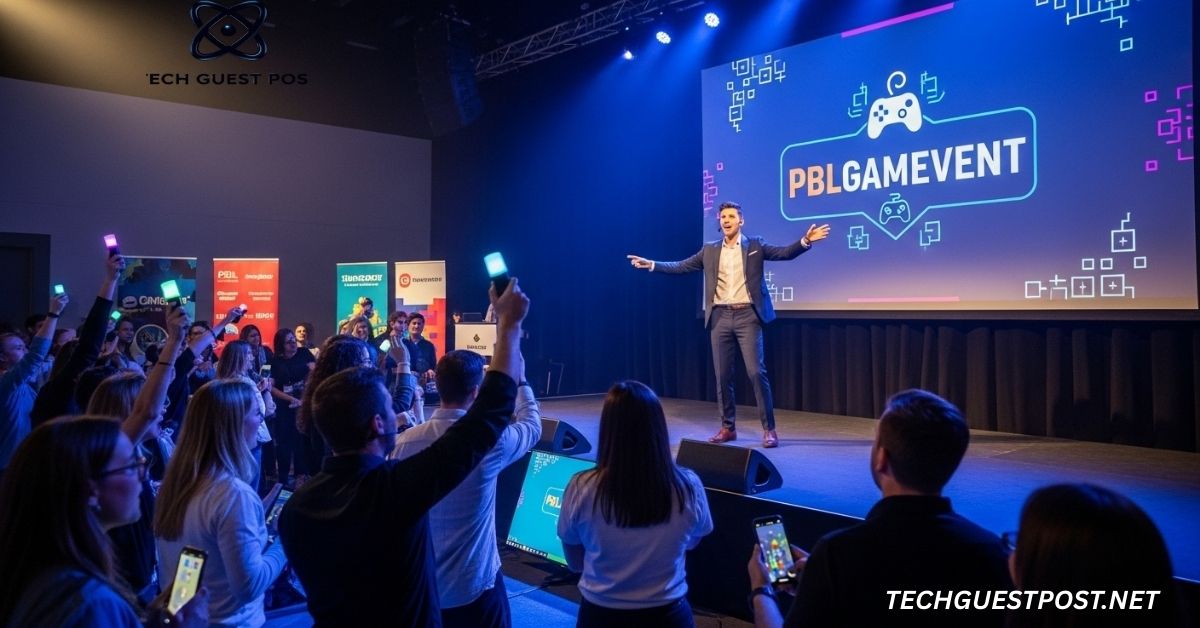
Hosted Event PBLGamevent: How Gaming Events Are Organized
Have you ever wondered what actually goes into organizing a gaming event? Not just picking a game and saying “let’s play.” Real gaming events take planning, communication, structure, and a whole lot of passion. Whether you’re a casual gamer or someone chasing a competitive edge, understanding how hosted gaming events work can completely change how you experience gaming.
What Is a Hosted Event PBLGamevent?
Think of it like a sports league, but for gamers. A hosted event PBLGamevent is an organized gaming session or tournament where players come together under a structured format to compete, collaborate, or simply enjoy multiplayer gaming in a fair and managed environment.
It’s not random matchmaking. It’s intentional. Someone puts in the work to create rules, schedules, and a system that makes the experience smooth for every participant. These events can happen online or in person, and they’re built around one core idea: giving gamers a platform where skill actually matters.
The “hosted” part is key. A gaming event host takes responsibility for everything from player registration to match results. Without that structure, things fall apart fast. Anyone who’s tried to organize even a casual gaming session with friends knows how quickly chaos creeps in when there’s no plan.
PBLGamevent, specifically, represents a type of organized gaming competition structure designed to create fair, engaging, and memorable experiences. It brings players into a shared competitive space with clear expectations and defined goals.
Read More: TGArchiveConsole Set Up Guide (2025): Easy Telegram Archiving
How a Hosted Event PBLGamevent Works
So how does it actually come together? It starts well before the first match kicks off.
First, the host sets up a player registration process. Participants sign up, confirm their availability, and get placed into brackets or teams. This step sounds simple, but it’s where a lot of events stumble. A disorganized registration creates confusion before the event even begins.
Next comes tournament scheduling. A solid tournament scheduling system maps out who plays whom, when, and in what order. This prevents overlap, reduces downtime, and keeps the energy moving. Nobody wants to sit around waiting for hours between matches.
Then there are the rules. Gaming event rules define what’s allowed, what’s not, and what happens when something goes wrong. Lag issues, disconnects, disputed results. These things happen. Clear rules mean nobody’s arguing about fairness mid-tournament.
During the event itself, the gaming event host monitors matches, handles disputes, and keeps communication flowing. Think of them as the referee and project manager rolled into one. They’re watching for fair play in gaming, making sure no one bends the rules to gain an unfair advantage.
After each round, results get updated, standings get posted, and players know exactly where they stand. It’s transparent. It’s organized. And when it’s done right, it feels genuinely exciting to be part of.
Why Hosted Event PBLGamevent Is Important
Gaming is massive. Billions of people play games globally. But random online matches only take you so far. A hosted event PBLGamevent fills a gap that casual gaming simply can’t.
Here’s the thing. Competitive gaming matches without structure turn into frustration fast. Smurfing, toxic behavior, uneven matchmaking. These issues erode the fun. Organized gaming sessions change that. They create an environment where effort is rewarded and skill is actually tested.
There’s also the community angle. Gaming community building doesn’t happen by accident. It happens when people share experiences, face challenges together, and recognize each other’s growth. Hosted events create that shared experience. Players remember the tournaments they competed in far longer than random casual matches.
For newer players, these events offer something especially valuable. Exposure to higher-level play. You don’t level up by playing against the same opponents week after week. Joining a structured event pushes you to adapt, think strategically, and develop your gaming skills in ways that casual play simply doesn’t demand.
And from a broader perspective, esports event planning at any scale legitimizes gaming as a serious pursuit. It shows that gaming isn’t just entertainment. It’s a skill-based activity with structure, discipline, and real competitive value.
Planning a Successful Hosted Event PBLGamevent
Planning one of these events is genuinely challenging work. It’s not glamorous. But it’s incredibly satisfying when it comes together.
Start with a clear goal. Are you running an online gaming tournament for fun? A ranked competition? A charity event? The goal shapes every decision that follows, from how you structure brackets to how you communicate with players.
Gaming event coordination requires you to think several steps ahead. What platform are you using? What happens if servers go down? How will you handle late registrations? You need answers to these questions before the event starts, not during it.
Communication is everything. Gaming event communication needs to be proactive, not reactive. Players should know exactly what to expect, when to show up, and who to contact if something goes wrong. A well-placed announcement or reminder can prevent dozens of confusing messages later.
Player fairness matters enormously. The gaming competition structure you choose should balance competitive challenge with accessibility. A format that’s too harsh eliminates casual players immediately. Too lenient and serious competitors lose interest. Finding that middle ground is an art.
Also, plan for the unexpected. Gaming event challenges are inevitable. Technical issues, no-shows, disputes. Build buffer time into your schedule and have contingency plans ready. The best hosts don’t panic when problems arise because they’ve already thought through the solutions.
Benefits of Joining a Hosted Event PBLGamevent
Why should you actually bother joining one of these events? Plenty of reasons.
First, there’s the competitive experience itself. Playing in organized gaming sessions exposes you to opponents you’d never encounter in casual matchmaking. That challenge sharpens your instincts and builds real competitive awareness.
Then there are the gaming networking opportunities. You meet people who share your passion. Some of those connections turn into teammates, practice partners, or just friends you game with regularly. The gaming community aspect of these events is often underrated but deeply valuable.
Gaming skills development is another major draw. When stakes are present, even small ones, you play differently. You focus more. You strategize harder. You pay attention to details that casual play lets you ignore. Over time, that adds up to genuine skill improvement.
There’s also the sense of belonging. Gaming event participation connects you to something larger than a single match. You’re part of a community event with other people who care about the same game. That feeling is hard to manufacture outside of a structured event.
For those interested in esports event planning or game hosting down the line, participating first gives you an insider’s view of how things work. You’ll spot the decisions the host makes, notice what works, and file it away for later.
Challenges in a Hosted Event PBLGamevent
Let’s be honest. These events are not always smooth. And anyone telling you otherwise hasn’t actually run one.
Technical failures are the most common headache. Servers crash. Connections drop. Games update at the worst possible moment. A good gaming event host prepares for this, but you can’t prevent everything. How you respond to these moments defines the quality of your event.
Player no-shows create scheduling chaos. You’ve built a bracket, scheduled matches, and suddenly a team doesn’t appear. Now you’re scrambling to fill gaps or restructure the entire flow. This is why backup participants and clear no-show policies are non-negotiable.
Disputes over results happen too. Someone claims lag affected their performance. Another player accuses an opponent of cheating. Without clear gaming event rules and a neutral host to enforce them, these disputes can spiral. They damage the experience for everyone involved.
Keeping players engaged between matches is another underrated challenge. Downtime kills momentum. If participants are waiting an hour between rounds with nothing to do, they disengage. Smart gaming event management fills those gaps with commentary, brackets updates, or side activities.
Then there’s scale. Running a 10-person event is manageable. Running a 200-person virtual gaming event requires an entirely different level of coordination. Many first-time hosts underestimate this jump. Starting small and scaling gradually is almost always the smarter path.
The Future of Hosted Event PBLGamevent
The trajectory here is clear. Online gaming events are growing fast, and the infrastructure supporting them is getting better every year.
Automated tournament scheduling systems are reducing the manual workload significantly. Platforms now handle bracket generation, result tracking, and even dispute resolution tools automatically. This lets hosts focus more on community and experience rather than logistics.
Virtual gaming events are expanding access in ways that simply weren’t possible a decade ago. Geography used to limit who could participate. Now a player in one country can compete against someone on the other side of the world in a fully organized, hosted environment. That’s genuinely remarkable.
There’s also a growing emphasis on inclusivity. More events are creating beginner-friendly brackets, gender-inclusive divisions, and accessibility accommodations. Gaming event participation is no longer just for hardcore competitive players.
Hybrid formats are emerging too. Events that combine in-person gaming events for local players with simultaneous online brackets for remote participants. This gives organizers the best of both formats, wider reach plus the energy of a live venue.
Esports event planning is also becoming more professionalised. Sponsorships, prize pools, broadcast production. What started as community-run tournaments is evolving into a structured industry. And somewhere in that evolution, grassroots events like PBLGamevent remain important anchors. They keep the community spirit alive while the broader industry scales.
The future isn’t just bigger events. It’s smarter, more inclusive, and more connected ones.
Conclusion
Organized gaming events are more than just competitions. They’re communities built around shared passion, structure, and the genuine joy of playing games at a higher level. A hosted event PBLGamevent represents exactly that: a deliberate, well-organized space where gamers can compete fairly, grow their skills, and connect with others who care about the game as much as they do.
Whether you’re thinking about joining your first event or planning one yourself, the core idea stays the same. Good organization creates good experiences. And good experiences bring people back.
Start there. Build from there. The rest follows.
FAQ’s
What is a hosted event PBLGamevent?
It’s an organized competitive gaming event managed by a host who handles rules, scheduling, and player coordination to ensure a fair and smooth experience.
How do players join a hosted gaming event?
Players typically register through a sign-up system, confirm their availability, and get placed into brackets or teams based on the event format.
What makes a gaming event successful?
Clear communication, solid rules, reliable scheduling, and a host who can handle unexpected challenges without disrupting the overall experience.
Can beginners participate in hosted gaming events?
Absolutely. Many events offer beginner-friendly brackets specifically designed to welcome newer players and help them grow through structured competition.
What are the biggest challenges in organizing a gaming event?
Technical failures, player no-shows, scheduling conflicts, and keeping participants engaged during downtime are the most common hurdles hosts face.

Evan Cole is a tech enthusiast and digital strategist with years of experience in content marketing and SaaS trends. He explores emerging technologies, AI innovations, and SEO-driven growth strategies. Evan’s insights help readers understand complex tech topics through practical examples and real-world applications that inspire smarter digital solutions.